


The shift toward digital transformation in taxation has brought significant changes for businesses, especially with the introduction of ZATCA Phase 2 in e-invoicing systems. This is the new stage which is also referred to as the clearance stage, the aim of this new stage is to increase transparency, enhance compliance and real time validation of invoices. With organizations evolving, it is imperative to understand the Phase 2 E-Invoicing on Accounting to ensure proper financial records and a smooth running of the organization.
Having more stringent laws and new technological demands, companies need to evolve rapidly to be in compliance. It is not just an invoicing effect but transforms accounting processes and accuracy of tax reporting. With enhanced efficiency, fewer errors and more effective financial control, compliance will not only be a necessity but a competitive edge of companies that adopt automation and real-time integration of data.
The second phase is the clearance phase (Phase 2) where businesses have to submit invoices to the tax authority in real time to have them validated before sharing them with customers. This makes all transactions to be confirmed real-time. It enhances compliance through minimizing fraud and harmonizes the invoicing procedures with the government standards using secure online systems.
Phase 1 involved the creation of electronic invoices in an orderly format whereas Phase 2 involves clearance and integration in real-time, with government systems. It is now imperative that businesses authenticate invoices in real time, add more data points, and have secure transmissions. Such a change makes e-invoicing less a documentation process, and more a compliance-driven, automated ecosystem.
Phase 2 requires invoices to be submitted in real time in order to be approved before being issued finally. This guarantees compliance of all the invoices immediately. Companies need to implement systems that can perform rapid validations, minimize delays and error and ensure every transaction is efficient in terms of adhering to the regulations.
The invoices should be of formatted templates like XML or PDF/A-3 with data embedded. Fields that are mandatory are VAT details, timestamps, unique identifiers, and buyer information. Such standardized forms enhance uniformity and can be automated as well as fitted well with government systems to monitor and audit them.
Companies need to connect their accounting or ERP systems to the systems of the taxes authorities. This makes it possible to communicate and verify invoices in real-time. This kind of integration guarantees compliance, efficiency and lessening of manual intervention and invoicing processes are quicker and dependable in all business processes.
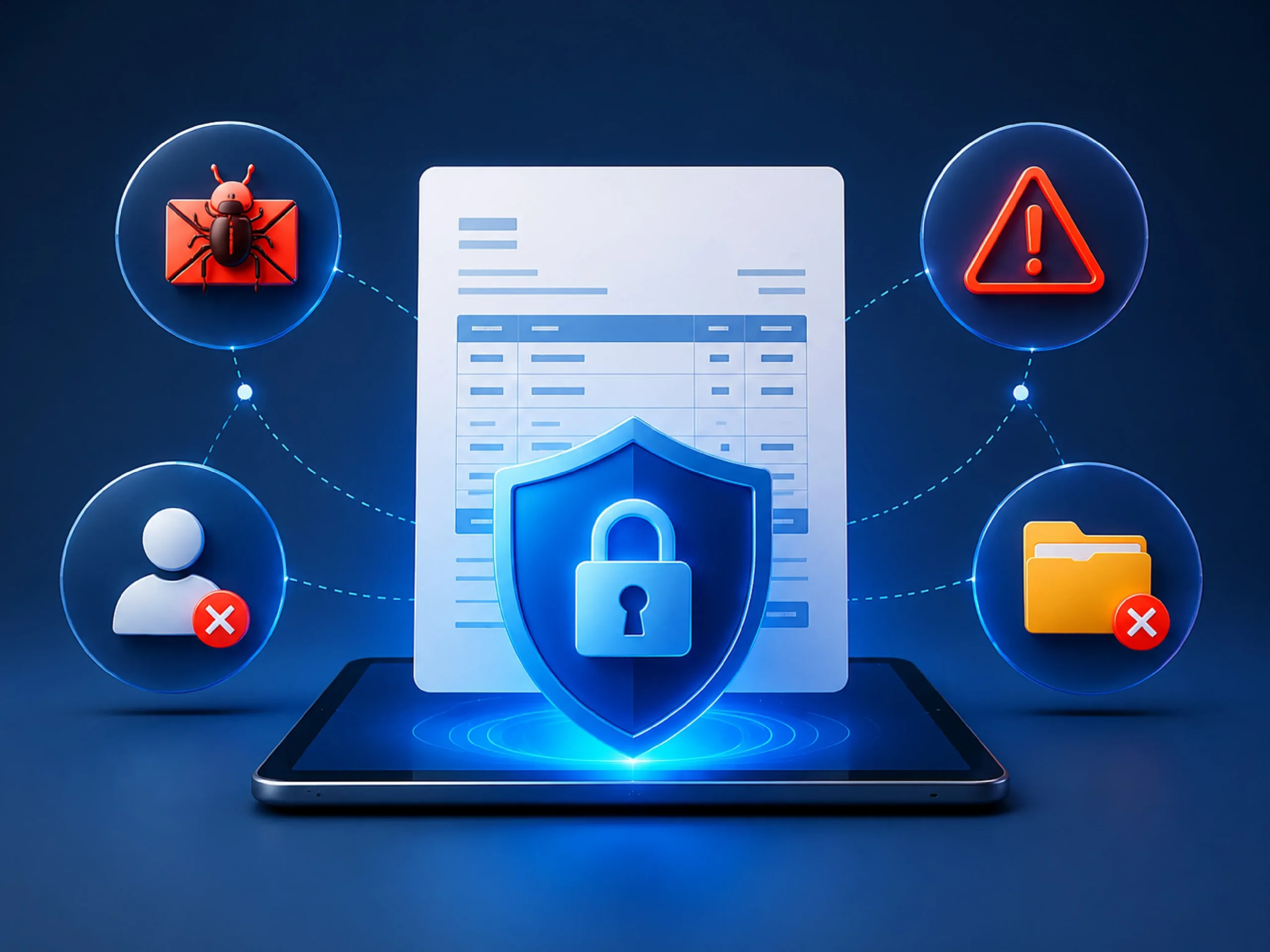
Phase 2 involves the use of invoices that contain QR codes and digital signatures to make sure that they are authentic and traceable. Such security controls deter manipulation and fraud and ensure the data integrity. Companies should have strong security measures to protect their sensitive financial data and be able to meet the regulatory requirements.
Phase 2 E-Invoicing on Accounting brings about automation in the creation and recording of the invoices. This gets rid of manual data entry, less processing time and consistency of financial records. Efficiency is enhanced by automated systems, which then enable accountants to concentrate on strategic activities and not on the administration.
Accounting systems are kept abreast with correct invoice information in real-time. Phase 2 E-Invoicing on Accounting makes invoicing and accounting systems fully integrated so that they can track transactions instantly, manage their cash flows more effectively and have more trustworthy financial statements.
Automation reduces a lot in human errors in data entry and calculations. Real time validation will help in identifying any discrepancies as they occur and make reconciliation difficult. This results in more precise financial reporting and a less bumpy audit process and makes the general accounting process more efficient and reliable to businesses.
Phase 2 increases transparency through records of every transaction which is kept in detail digitally. These audit trails simplify the process of tracking and verifying of financial activities. Businesses are happy with better documentation which makes compliance checks easier and prepares them at any given time to undergo audits without the need to work hard to prepare the documentation.
Invoice validation is done in real-time where the VAT data is accurately captured at the time of transaction. This enhances accuracy of tax reports and minimizes the possibilities of discrepancies. Companies are able to submit VAT returns without any fear since they know that their information is in tandem with the requirements of the regulations.
Phase 2 allows submitting tax data immediately to the authorities and it is guaranteed that the reporting timeframes are adhered to. This will remove delays and chances of errors in filing of tax returns. This has helped businesses to streamline their reporting processes and become more efficient when it comes to management of tax obligations.
The automated validation reduces the risks of mistakes or omissions of details in invoices. This helps to minimize the chances of non-compliance and related penalties. Companies are able to adhere to regulations on a regular basis, without running into losses and negative publicity due to compliance problems.
Reporting in real time allows increased transparency since the authorities can access data on transactions in real-time. This generates confidence and accountability of financial reporting. It helps businesses have a more open system which makes it easier to comply with and be more credible to the regulators.
Phase 2, makes sure that businesses comply with high standards of regulation with the help of automated validation and reporting. This minimizes risks of compliance and aligning it with government requirements hence easy operation of organizations through legal frameworks without fear.
On-the-fly validation is able to speed up the invoice processing and approvals and minimize transaction delays. By ensuring that invoices and payments are done in time, businesses can enhance their efficiency in conducting business and have a better relationship with their clients and suppliers.
By having real-time data integration, businesses are able to have a better insight into their financial performance. Based on accurate and current information, decisions are easily made and this helps organizations to plan well and make their financial strategies more effective.
Automation and live tracking give more control to the financial transactions. Businesses are able to monitor activities in real time, detect anomalies within minutes and keep real records thus ensuring a smooth running and efficient running of all business departments.
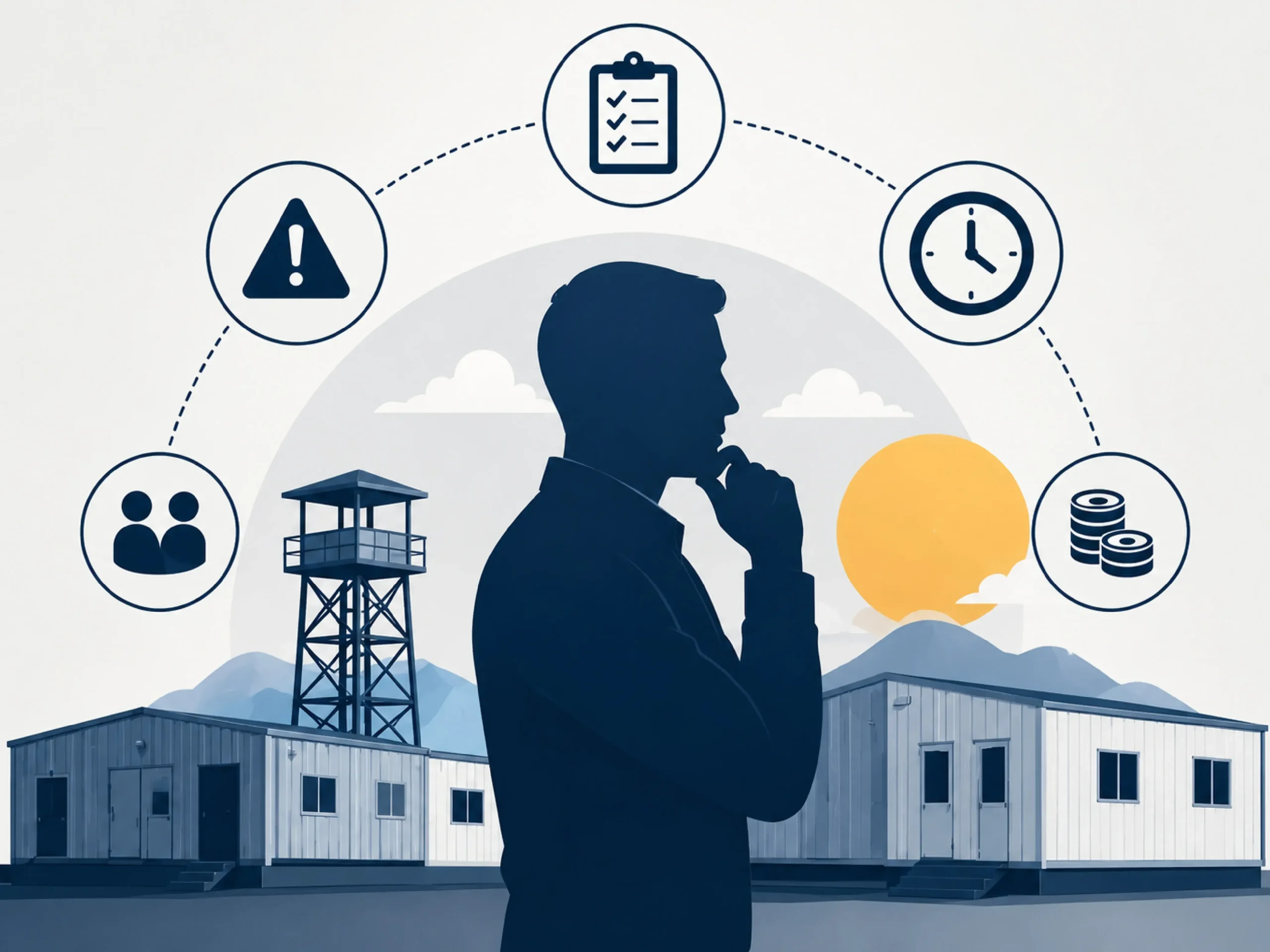
Making alterations to current systems to accommodate Phase 2 requirements may be complicated. Companies can encounter difficulties with the integration of their ERP/billing systems with government systems, which involves technical skills and costs on upgrading the systems.
It may be difficult to migrate existing data to new systems and be accurate and compliant. Businesses need to be especially careful about this process so that no data is lost or inconsistencies can arise so that they can easily transition to the requirements of Phase 2.
The employees should be aware of new systems and processes to be in compliance. It is necessary to train the staff on new workflow and technologies, which can be time-consuming. The businesses need to invest in education so that they can make a successful transition.
Real time processing of large volumes of invoices needs a strong system and infrastructure. Companies should make sure that their technology is in a position to handle large volume of transactions without delays and error reports, and is still efficient and compliant.
Companies are supposed to invest in the new ERP or e- invoicing systems that will fulfill the Phase 2 requirements. These systems provide a smooth integration process, validation in real-time and efficient processing to enable organizations to remain compliant and competitive.
It is important to keep the correct data in order to be compliant. Validation controls should be used by businesses to verify that all the information on an invoice is accurate and before an invoice is submitted, to minimize mistakes and enhance the accuracy of reporting.
Training of the finance and IT teams will help them become familiar with new systems and processes. This assists in assisting the businesses to change rapidly, reduce errors and ensure that they are in compliance with the requirements of Phase 2.
Periodic compliance audits and checks are used to solve gaps and compliance with regulations. By being vigilant and orderly, then businesses can take proactive measures to counter any problems, keep proper record keeping, and prevent fines.
The implementation of Phase 2 e-invoicing is a big change in the way business operations are carried out with regard to financial and tax. Phase 2 E-Invoicing on Accounting has revolutionized the traditional processes into real-time and automated systems that are accurate, transparent and comply. With the incorporation of the latest technologies, companies will be able to simplify the process and enhance their efficiency.
The need to go digital to be successful in the long run is imperative as regulatory requirements are still developing. The companies that take initiative to prepare in terms of Phase 2 will not only provide conformity but also it will be a competitive edge. By relying on the services of specialists, such as Quickdice, companies will be able to approach this transition without any issues and take advantage of the advantages of automation and real-time reporting.
Phase 2 e-invoicing entails submission of invoices in real time to tax authorities to be validated and then sent to their customers.
It automates invoicing, provides real-time updates of data and minimizes manual accounting system errors.
Companies need to make sure that the submitted real-time and correct VAT data complies with approved invoices.
Yes, the majority of business requires compliant systems which can have real-time integration and validation.
Failure to comply may result in fines and penalties, and disruption of business operations.
They ought to modernize systems, educate employees and verify that their data is correct and compliant.
YES, SMEs that fit the necessary standards have to adhere to Phase 2 rules.


Comments are closed