



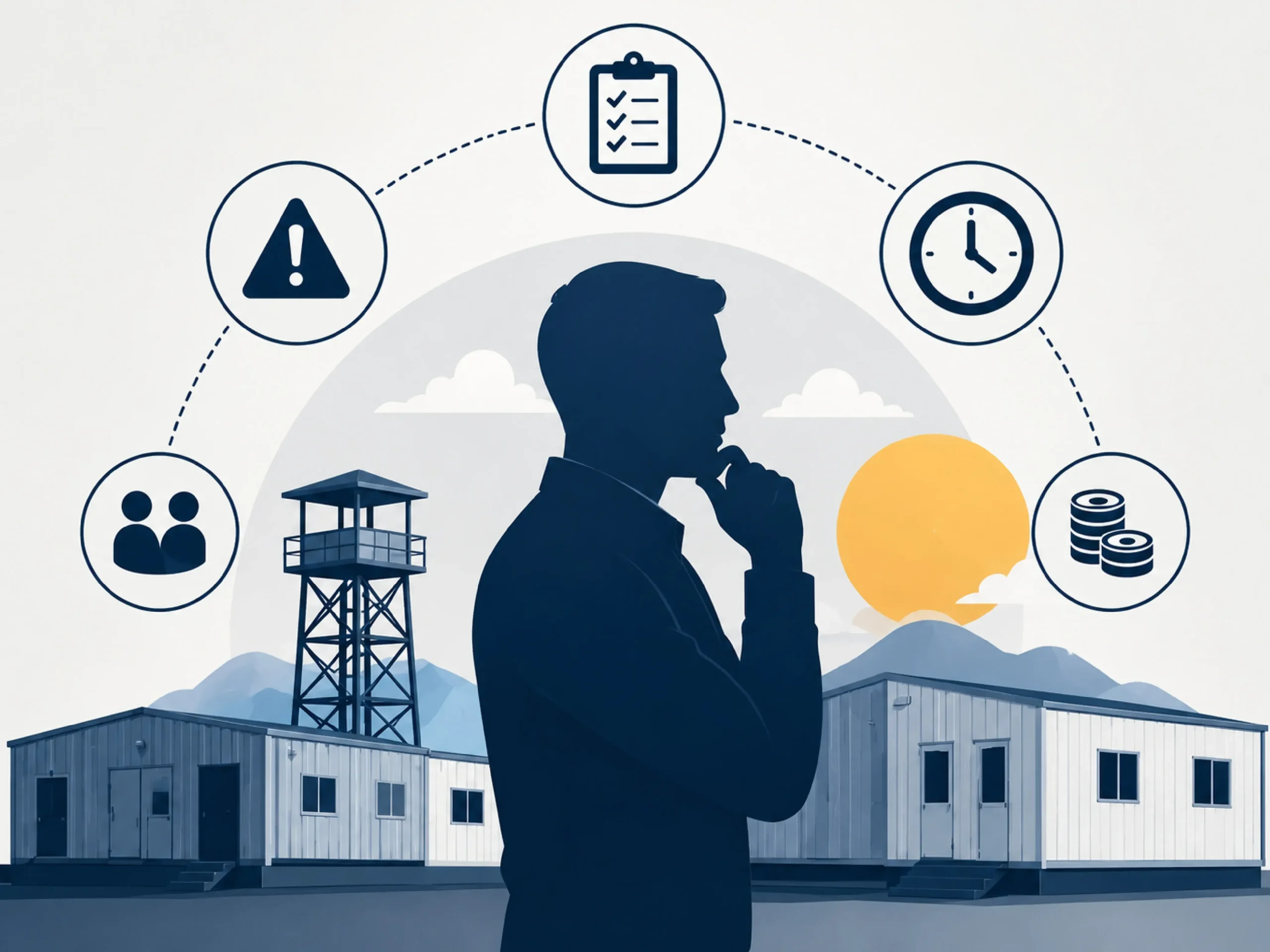
It is important to note that in the modern-day business world, task prioritization in projects is vital to the successful project implementation. It is common to have teams dealing with numerous tasks, extreme deadlines and scarce resources. In the absence of a proper prioritization system, projects may easily get behind schedule or go over budget. That is why Project Task Prioritization is one of the keys to the contemporary project management.
However, the process of prioritizing manual tasks becomes more difficult with the increase in the complexity of the projects. Task dependencies, changing stakeholder requirements and resource constraints introduce the challenges of having to rely on intuition or fixed plans by themselves. It is in this context that the ERP analytics combined with Project management software holds a lot of value. Predictive insights and performance metrics also allow ERP systems to help managers make informed and objective decisions and adapt priorities dynamically as circumstances evolve by usage of real-time data.
The prioritization of project tasks is a structured mode of making decisions on what tasks to complete initially. It takes into consideration urgency, importance, dependencies, and business impact. The primary concepts are to match the tasks and their purpose to project outcomes, to utilize the resources in the most efficient manner, and to decrease the risk. Effective task prioritization has a direct impact on the project timelines. It eliminates time wastage, saves finances by eliminating unnecessary effort and wastage of resources by assigning individuals to the tasks they should perform. The most common ones are the Eisenhower Matrix, the MoSCoW method and the Critical Path analysis. They both provide a methodical approach to coping with complicated workloads.
The effect of right prioritization is observed in terms of project schedules and expenses as well as resource consumption. Tasks that are of high priority are given priority before the others and this eliminates any bottlenecks and rework. Costs are managed through avoiding wastage of energy in low impact activities and resources are allotted where they can give the most returns.
There are a number of accepted approaches that assist with a prioritization of tasks. Eisenhower Matrix divides tasks depending on urgency and importance. The MoSCoW technique gives the tasks the category of Must-have, Should-have, Could-have and Won’t-have. Critical Path analysis is used to find out which tasks have a direct impact on the date of completion of a project. These approaches are even more effective when used together with ERP analytics, whereby the sophisticated prioritization of complex projects can be made data-driven and adaptive.
Enterprise Resource Planning (ERP) systems are central to modern project management, uniting processes, data, and teams on a single platform. Most ERP solutions include project management modules for planning, scheduling, budgeting, and resource tracking. Platforms like Quickdice help managers control tasks, costs, and timelines while aligning projects with organizational goals.
Integration of project data amongst the departments is one of the most important benefits of the ERP systems. By utilizing finance, human resource, procurement and operations, the EPR system has all the data needed to maintain consistency of project information and up to date information. An illustration of this is that resource availability information provided by HR, cost information by finance and material status provided by procurement can be considered as one and there will be no need to have silos of data, and manual reconciliation will be reduced.
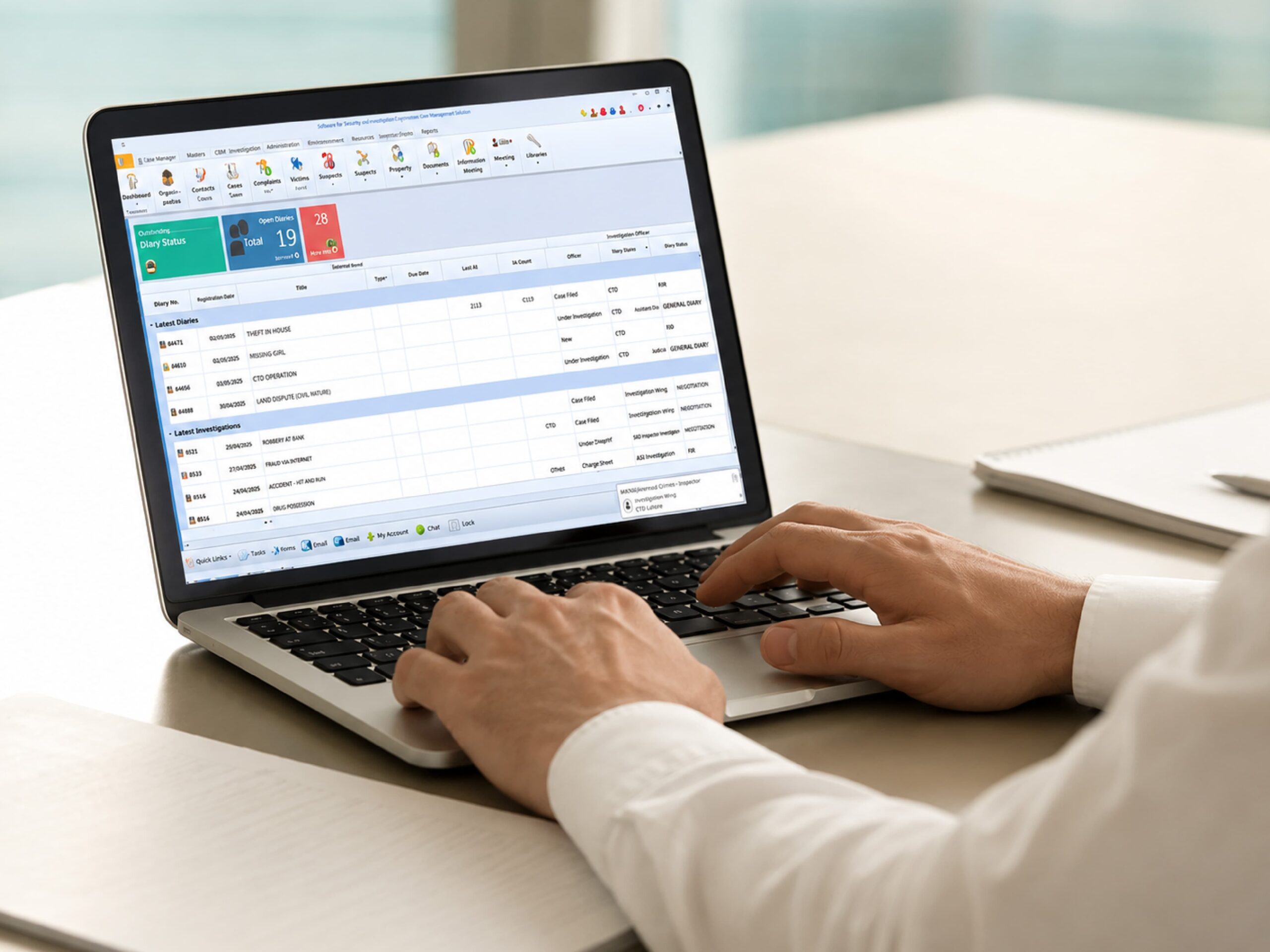
ERP systems enhance transparency and responsibility during the project life. Audit trails, status reports, and real-time dashboards allow the stakeholders to observe the progress of the tasks, delays, and ownership. Concrete role assignment and automated processes allow making the responsibilities clear so that the teams remain accountable and focus on addressing the issues promptly before they get out of control.
ERP analytics can be described as a method of analysing data generated within an ERP system to support better decision-making. By transforming raw operational data into actionable insights, ERP analytics helps organizations assess project performance, identify risks, and improve Project Task Prioritization for more efficient and successful project execution.
Analytics in ERP environments comes in a number of different types. The descriptive analytics are concerned with what has already transpired by summarizing historical data. Diagnostic analytics is the reason as to why some outcomes arose through identification of patterns and underlying causes. Predictive analytics involves the trend and statistical modeling to predict future events whereas prescriptive analytics is concerned with prescribing certain actions to attain a desired outcome.
The most important data sources of ERP analytics are project schedule, costs and budget records, resource use data, procurement and inventory data and performance measures. ERP analytics allows project managers to be proactive and data-driven in their decision making and constantly refine the outcomes of the projects by combining these data sources.
The ERP analytics can assist the teams in prioritizing tasks in a better manner through providing real-time insights, data-driven recommendations, and predictive intelligence. Organizations are able to eliminate guesswork and make priorities more accurately and confidently by consolidating all the information about a project into a single analytical framework.
ERP analytics provide quantifiable data that enable project managers to make tasks a priority. Task completion rate demonstrates the speed of task completion against the plan, which helps to focus on the areas of urgent action. Resource utilization rate is the rate at which people and assets are utilized to ensure that they are not over-utilized or underutilized. Project cost variance identifies the variations between planned and the actual costs, which enables you to take early action to rectify such variations. Schedule variance is the existence of ahead or behind schedule tasks and dependency impact analysis is the analysis of how any delay of a task will propagate to other tasks to inform smarter sequencing.
ERP analytics enhances project deliverables timelines as it identifies delays early and proactively changes priorities. It increases the efficiency in operations that result in improved resource distribution and a reduction of rework. Data visibility leads to team building, since all people have one source of truth. Ultimately, most importantly, ERP analytics would help to synchronize projects against the business objectives focusing on tasks that produce the most strategic value.
Task prioritization with the help of ERP has numerous advantages, yet it is associated with difficulties. The most prevalent barriers are poor quality and accuracy of data. Analytics will give incorrect prioritization when project data is either not present or is old and has been entered inconsistently. Trustworthy information relies on eager administration and affirmation practices.
Another challenge is the user adoption and training requirement. ERP analytical tools are not always easy and the project managers are not able to interpret the dashboards or analytical models without the appropriate training. The unwillingness to change may also inhibit the proper usage in case teams do not abandon manual approaches.
Also, it may be hard to integrate with legacy systems. The legacy applications can hardly be integrated with new ERP systems, creating data silos, delays, or synchronization problems that decrease the efficiency of prioritizing tasks.
Organizations would want to be defined with clear project objectives and KPIs in order to get the most out of it in accordance to business goals. This makes sure that analytics concentrates on measures that have impact in the determination of task priorities. The standardization of data that goes in between teams is also vital as it brings about consistency and analytical accuracy.
Project managers should also be trained by organizations on how to interpret analytics so as to be able to transform knowledge into actionable priorities. Lastly, the teams should constantly revisit and improve prioritization models. With changing projects, frequent review of projects would make sure that task prioritization is not outdated, outlandish and reacts to the evolving circumstances.
The application of ERP analytics is common to all industries to enhance prioritization of tasks and project outcome. ERP analytics made scheduling in construction projects to follow task dependencies, labor availability, and material delivery schedules, thereby minimizing delays and avoiding cost increase. In IT and software development planning of sprints, analytics is used to rank backlogs based on the effort and risk of the tasks and historical performance of the springs so that high-value features can be released within the timeframe. In production, ERP analytics is used to match production activities to machine production capacity, availability of labor force, and data about supply chain to achieve efficiency and reduce downtime.
The future of ERP analytics is more and more data-driven and intelligent. AI-based task prioritization will be an automatic system of decision-making as the priorities will be adjusted according to real-time circumstances. It will be possible to predict risks in advance and better forecast projects with the help of predictive analytics and automation. Further incorporation of the agile and hybrid projects will also enable the ERP analytics to facilitate flexible, iterative project set-ups and still maintain enterprise-level control and visibility.
Conclusively, ERP analytics are very important in facilitating organizations to make more intelligent, quicker, and objective decisions at the project level. Using real-time simulation data, combined within finance, resource and timelines, teams will understand what is actually driving value and risk. This understanding enables the leaders to align the tasks with the business goals, minimize the bottlenecks, and enhance predictability. Consequently, it makes projects more open, quantifiable and flexible even within complex operational settings.
Also, combining the ERP insights with the latest Project management software would make sure that the information based on the data will be turned into the action. Workflows can be supported using analytics to improve collaboration, accountability, and continuous improvement between teams. A rigorous strategy of Project Task Prioritization assists organizations to concentrate their efforts on areas that will give the most significant impact, resource optimization, and continuous achievement of successful results and long-term strategic alignment.
Frequently Asked Questions
What are ERP analytics in project management?
ERP analytics refers to the activity of exploring the data in project; i.e. the utilization of resources, costs, and schedules in an ERP system. This is aimed at discovering information that aids in planning, monitoring, and the entire process of making a decision.
How does ERP analytics improve task prioritization?
ERP analytics provides managers with real-time visibility and performance metrics and provide predictive insights. This allows them to prioritize tasks based on impact, urgency, risk and the available resources rather than based on guesswork.
Can ERP analytics support agile project management?
Yes. It may be incorporated into the agile processes, supporting sprint planning, backlog prioritization, and tracking performance – without losing a company-wide perspective.
What industries benefit most from ERP-based task prioritization?
The construction, manufacturing, IT, healthcare and professional services receive the biggest benefit, as their projects have a high number of interdependent tasks and close coordination of resources.
What are the key metrics used in ERP analytics for prioritization?
Common measures include completion rate of the tasks, the use of resources, cost variance, schedule variance, and dependency impact analysis.
Is ERP analytics suitable for small and mid-sized businesses?
Yes. The newest ERP systems are scalable and help to increase efficiency and decision-making in small to medium-sized companies without unnecessary complexity.




Comments are closed