


In the modern competitive world of business, organizations in Saudi Arabia are turning into more dependent on digital means to simplify financial processes. Whether you’re a growing SME or an established enterprise, choosing the best accounting software in Saudi Arabia can have a major impact on the accuracy, compliance, and timeliness of your financial reporting. Among the most delicate things that companies fail to understand is Unbilled Revenue Accounting that is essential to organizations running on long-term projects, milestones billing, or service-based assignments.
The knowledge of unbilled revenue would make sure that your financial statements are true to the activity of each accounting period. When your business is the service rendered today, but the invoice is not made till the next month, that revenue must be recognized appropriately. The handling of this area wrongly may result in misreported finances, lack of proper planning in cash flow, compliance issues, and audit difficulties. This guide summarizes all that you need to know on Unbilled Revenue Accounting which includes unbilled revenue recognition, regulatory requirements, effective steps, and best practices. We will also point out how the modern solutions, e.g. Quickdice ERP, could assist in streamlining the whole process.
Unbilled revenue occurs where a company has already supplied goods or services and has not issued the invoice yet. When using accrual-based accounting, the source of revenue should be realized when earned and not when billed. This implies that when your team has achieved a SAR 100,000 project milestone in December and bills in January, the income should reflect in the December financial statements as Unbilled Revenue Accounting.
Also known as accrued revenue, unbilled revenue is considered a current asset, which is usually reported as either unbilled receivables or contract assets. It is paramount to ensure that unbilled revenue should be recognized correctly, particularly to the construction, consulting field, and professional services, and IT development.
Proper financial reporting starts with using well-defined systematic steps. The Steps to Recognizing Unbilled Revenue assists business in maintaining compliance and at the same time, revenue is recognized in the proper accounting period.
Find out what has been delivered and is yet to be invoiced. This may involve the work done or attested milestones or the work in progress where the performance needed has been fulfilled.
Unbilled revenues are to be counted as a current asset. This is an indication of the legality of the company to be paid before an invoice is delivered.
Journal Entry:
This entry is the essence of Unbilled Revenue Accounting where income is recorded during the right period.
Both in Saudi Arabia, revenue recognition is under the IFRS 15. The financial reporting that companies have to use should be based on the Unbilled Revenue Accounting Standard., particularly in the establishment of when the control of goods or services has to be transferred to the client.
The regular updates eliminate the problem of overstating or understating revenue. Reconciling periodically is to make sure that the balances are right and there is no problem with the audit.
Issue invoices immediately work is done and revenue is recognized. This transformation will bring the unbilled revenue into the accounts receivable and help in the healthy cash-flow cycles.
The Steps to Recognizing Unbilled Revenue would make sure that the financial statements are up to date and transparent which would allow making more reliable business decisions.
To be properly compliant with the Unbilled Revenue Accounting Standard and most significantly the IFRS 15 in Saudi Arabia, a business should adhere to a five-step model of revenue recognition, namely; identifying the contract, identifying performance obligations, determining the transaction price, allocating that price, and recognizing revenue when performance obligations have been met. This framework helps a business to know when to record unbilled revenue, the amount of revenue to be recorded and how it is to appear in the financial statements.
The misstatement of revenues, compliance problems, or poor cash-flow forecasting may be generated when the Unbilled Revenue Accounting Standard is not adhered to.
There are Methods of Treatment of Unbilled Revenue used by businesses based on industry practices, the nature of contract and accounting policies:
Ideal for long-term projects. The revenue is recorded on the basis of the completion progress.
Revenue is only recognized through achievement and completion of certain milestones in the contract.
The mode of that which is common in subscription or retainer contracts service delivery is evenly distributed over time.
The choice of the appropriate Methods to Treat Unbilled Revenue makes it accurate and in line with the IFRS guidelines.
Smooth procedures surrounding unbilled revenue may go a long way in enhancing the quality of financial reporting as well as cash-flow management. The following are the best practices of Unbilled Revenue management:
The modern ERP systems minimize the number of manual errors and maintain real-time updates. One of the most powerful Best Practices to manage Unbilled Revenue is automation since it eradicates discrepancies and increases the speed with which the month-end close is done.
Make sure that all the performance obligations and billing terms are clarified.
Regular reconciliation means that big changes will not be made when it comes to audits and will assist in uncovering discrepancies at an early stage another key component of Best Practices of Managing Unbilled Revenue.
Although it is important, there are some Challenges encountered by the companies in Unbilled Revenue Management which include:
Failure of service execution to match invoice development may lead to poor reporting and projection of cash-flow.
Multi-stage, long-term, or performance-based contract makes it more difficult to predict when the revenue will actually come, one of the ubiquitous Challenges in Unbilled Revenue Management that many companies cannot cope with.
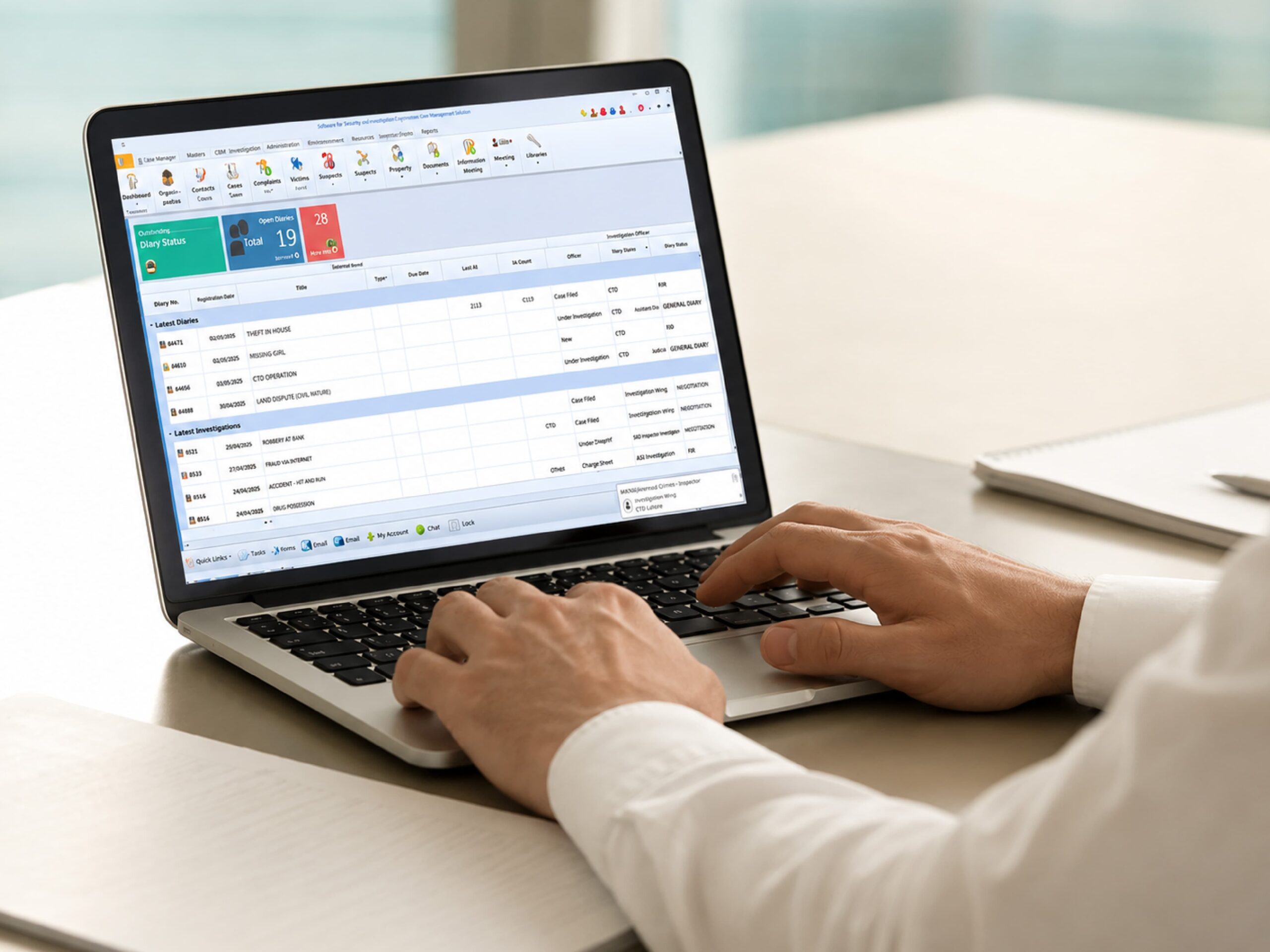
Quickdice ERP is an efficient, automated system to control, identify and monitor unbilled revenue. Quickdice ERP simplifies the whole Unbilled Revenue Accounting process because it has features that are used to perform real-time reporting, automated journal entries, and contract-based billing. Its IFRS 15 and local Saudi-compliant organization also ensures that the businesses are not prone to mistakes and reduce instances of misplaced financial records.
Learning Unbilled Revenue Accounting is important to those businesses that desire to have correct financial statements, on time reporting, and adherence to IFRS in Saudi Arabia. Recognition should be done appropriately so that performance is matched to revenue and not billing periods. Knowledge of the principles of unbilled revenue, the process of unbilled revenue recognition, and the compliance with the relevant accounting principles will help companies to enhance their financial transparency and decision-making.
The necessity of effective tools is becoming more urgent as more advanced financial systems are used in businesses in the Kingdom. The adoption of a modern ERP system such as Quickdice ERP will enable the organizations to deal with unbilled revenues in an easy manner, follow the rules, and keep the financial records accurate. By using appropriate approach and technology, organizations can eradicate misunderstanding, simplify operations and develop a more sound revenue-management system.





Comments are closed