
 UAE
 KSA
Industry Solutions
How UAE Equipment Rental Companies Can Simplify VAT Invoicing and Billing Workflows
October 30, 2026
Introducing QuickDice ERP - The Premier Accounting Solution for UAE Businesses with Exceptional Results!
How to Manage Damaged Stock Without Affecting Available Inventory
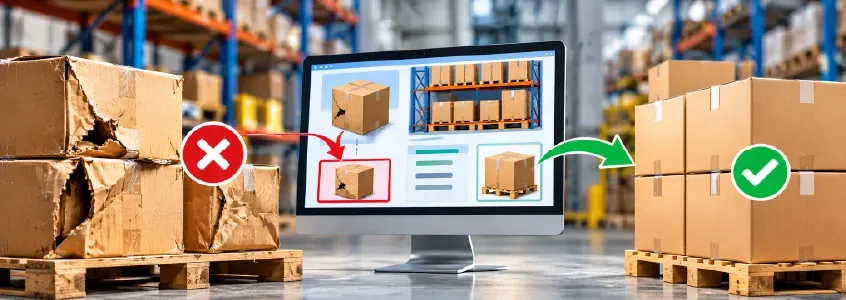
Table of Contents
Managing inventory efficiently helps businesses protect products, maintain accurate records, and prevent unnecessary financial losses. Goods that are damaged may cause confusion whereby employees may confuse products that cannot be used with the ones that could be sold. Knowing How to Manage Damaged Stock Without Affecting Available Inventory will assist businesses to maintain the right quantities, eliminate the mistakes of fulfillment and to optimize the process of managing the warehouse. An Stock Management Software in UAE can ease the process of stock tracking, facilitate sound reporting, and assist teams to identify the damaged products and the available ones effectively.
All the damaged items must first be inspected, documented and classified before adjustments are made to the inventory. Quickdice is beneficial to companies that desire better visibility of their operations and to have an organized inventory. By having well defined procedures, special storage areas and regular record keeping, firms can safeguard the sellable units and at the same time keep a record of the damaged products. These measures enhance reconciliation, minimise unnecessary errors, as well as facilitate informed decisions by the warehouse teams regarding returns, repairs, replacements, and disposal without causing confusion.
Damaged stock consists of damaged, spoiled or broken goods that cannot be sold normally. There are stocks with quality approved products that customers can purchase. Isolating the two types ensures proper stocking, eliminates mistakes during selling, and helps in ensuring credible order fulfilment.
Individual damaged inventory records assist companies to ensure that discrepancies between real and computer balances do not exist. Clarity facilitates employees to recognize the affected products, record proper adjustments, and keep accurate inventory records when conducting routine inspections of the warehouses.
Proper availability will be based on the differentiation between physical stock and the sale-ready products. Keeping a record of damaged items separately assists businesses to keep right quantities, assign appropriate products appropriately and to prevent unnecessary buying choices due to inaccurate inventory data.
The limitation of damaged products helps avoid the situation when employees may order the wrong goods accidentally. Labeling, storage zones, and system controls enhance the precision of picking, customer satisfaction, and minimize returns due to flawed merchandise.
Individual damage documentation enhances the insight into the impacted quantities, product lines and frequent issues. This information can be analyzed by businesses to research on losses, supplier performance, handling weaknesses, and improve inventory decisions by making reliable reporting.
Check broken goods right after finding to check its condition, quantity, lot numbers and packaging. Accurately Manage Damaged Stock Without Affecting Available Inventory: Findings of documents and assigning them correct stock statuses.
Isolate damaged products and sellable goods with special storage and special stock statuses. This system is used to assist companies to Manage Damaged Stock Without Affecting Available Inventory and still record the correct sales and help in avoiding unintentional sales.
Move the affected products in a well-designated quarantine place or warehouse. Keep records on where items are located when they are moved to enable employees to know where damaged items are without the records being confused with what is physically present and what is available to be sold.
Damaged quantities have been added to the wrong inventory status rather than being subtracted of the unrelated sellable units. Confirm transaction information prior to saving changes with destroyed goods being traceable and our inventory reflecting goods that we have used.
Codes of document products, quantities affected, batch numbers, and dates of discovery and description of damage. Repair damaged photographs where necessary and include supporting documentation to records, assists supervisors to investigate incidents, claim, and authorize further judgments.
Use the set inventory policies to determine whether or not to reclassify or repair, return or dispose damaged products Get appropriate approvals and document approved transactions and keep records to ensure the same operational practices and proper accounting records are maintained.
Check available after making inventory transactions. Check system records to physical counts, make sure damaged units are confined, and determine differences promptly to keep inventory records to reflect the actual products available to order by customers.
Develop different statuses of sellable, damaged, quarantine and inspection pending products. Establish proper system controls to make employees know what inventory is where the fastest and to avoid assigning merchandise that has been impacted to customer orders by mistake.
Develop uniform process outlining the way the employees recognize, record and report damaged products. Add required information, submission dates, and accountability to ensure that each incident is given the necessary attention and can be tracked to success.
Keep a record of the transactions involving damage, the original quantities, the reasons of the adjustment, the employees accountable, approvals, and dispositions. An effective audit trail assists supervisors to explore inconsistencies, confirm amendments and enhance responsibility in internal audits.
Match physical quantities with inventory recorded at given time. Research on variations in terms of broken, lost or wrongly recorded products and record approved amendments. Periodic reconciliation assists businesses to uncover recording mistakes and have reliable inventory data.
Train employees to identify damages and isolate products, update records and report incidents as early as possible. Hands-on training assists warehouse teams to adhere to the same process, avoid misplacing the stock, and safeguard the sellable goods during their day-to-day operation.
Erasement of damaged products without paperwork erases valuable data concerning losses of inventory. Before modifying it, record the incident, quantity affected, cause and approved disposition to make sure businesses are traceable and explore common patterns of damage efficiently.
The wrong reduction of the sellable quantities may cause false lack and cause unnecessary replenishment. Restate impacted units using the proper inventory transaction and reconcile balances to make sure that undamaged products are properly reflected in system records.
Shelving of damaged goods with the usable goods enhances picking errors and unintentional sales. Identify quarantine zones, physical separation and proper system restrictions so that the employees can be able to differentiate affected goods during normal operations in the warehouse.
Adjustments are not recorded, therefore, it becomes challenging to justify inventory discrepancies and accountability is undermined. Keep records of all transactions using supporting evidence, amounts and approval details, so that changes can be checked by supervisors and reliable operational records kept.
Reconciling damaged products can result in unresolved discrepancies and misrepresentation of inventory. Insert limited amounts in proper physical examination, contrast them with documented statuses and enquire on the disparities prior to concluding reconciliation outcomes.
Apply protective packaging that is appropriate to the weight and fragility of the product, and transportation needs. Provide appropriate equipment, train employees in safe handling methods and routinely inspect packaging to minimize breakage of items during receiving, storage, and dispatching.
Store proper temperature, humidity, ventilation and cleanliness of products. Employ appropriate shelving, stacking precautions and storage areas to avoid crashing, contamination, wear and tear, and any other damage occasioned by inappropriate warehouse environment.
Check incoming products and used products and then put them in the normal stock. Use standard quality criteria, record defects and quarantine questionable products until the inspection is completed, to avoid entry of the inappropriate goods into the stock pool.
Incidents of track damage by product, location in the warehouse, supplier and stage of handling. Periodically review patterns to help pinpoint common issues, gauge progress and focus corrective actions and minimize losses and enhance inventory management behaviours.
Review records when damaged during delivery, quality of packaging, conditions of transportation and performance of suppliers. Document findings to share with interested partners, seek claims where appropriate and set corrective actions to minimize recurrence and enhance quality of incoming stocks.
Effective damaged-stock control assists companies to secure on sale products, to enhance efficiency in the warehouse and to keep reliable inventory records. The inspection of goods, giving them different status, recording adjustments, and reconciling the quantity with a regularity would allow the teams to avoid discrepancies and minimize errors in fulfillment. Knowing how to Manage Damaged Stock Without Affecting Available Inventory helps in making improved decisions regarding repair, returns and disposal and have a clear, reliable and useful stock information to facilitate daily operational planning.
To avoid repeat losses, businesses need to integrate best practices, staff training, appropriate storage and frequent reporting. The right inventory technology can enhance visibility, enhance accountability and make the reconciliation easier. Through the constant separation of damaged items and marketable goods, companies can safeguard customer satisfaction, minimize unnecessary costs, and have more control over inventory business without jeopardizing the long-term growth of the business.
Separate damaged items with limited stock status, documentations and correct balances after adjustments.
No, damaged goods must not be included in the number to be sold until they are of the necessary quality.
Details of record products, damages, causes, inventory changes and evidence and authorized changes.
Damaged stock contain physical defects whereas unavailable stock are those products that are not available on sale due to various reasons
Check on goods and services that are affected and make necessary repairs, returns, recycling, disposal or authorized write-offs.
Not necessarily it depends on the system set up and the inventory transaction used.
Store and use separate, restricted, clear labels and use proper picking controls.