


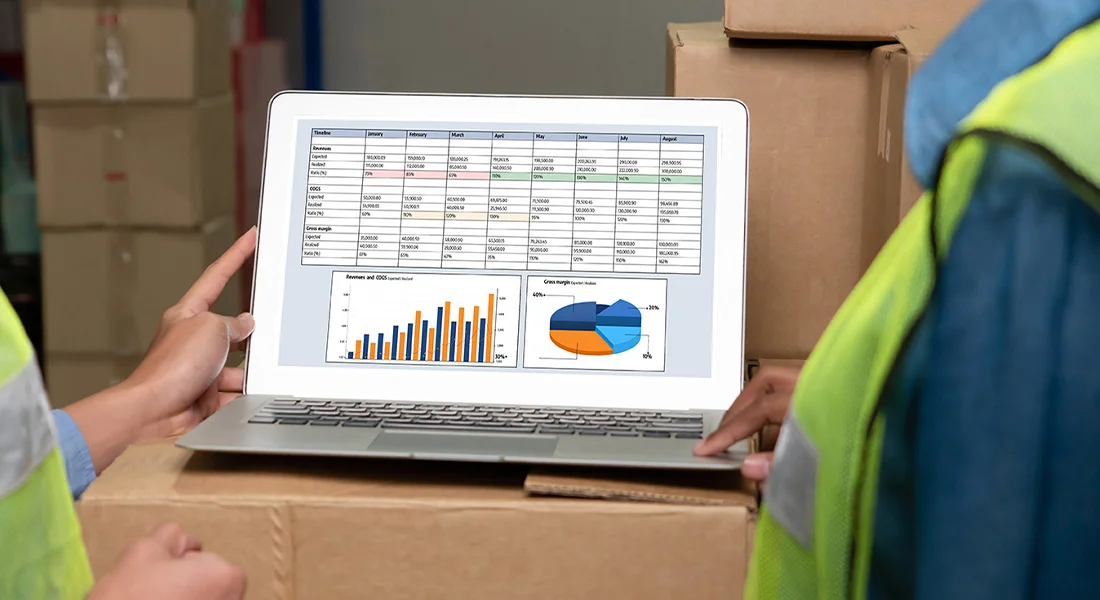
Accurate inventory tracking is a critical component of business success in the Kingdom of Saudi Arabia (KSA). From retail chains and e-commerce platforms to manufacturing plants and logistics providers, maintaining optimal stock levels directly impacts profitability, customer satisfaction, and regulatory compliance. As Saudi Arabia accelerates its digital transformation under Vision 2030, businesses are increasingly adopting Inventory Tracking Technology in KSA to streamline operations and improve decision-making. Traditional stock control methods are no longer sufficient in a fast-paced, data-driven market.
For years, many organizations relied on spreadsheets, manual counting, and disconnected systems to manage inventory. These outdated practices often resulted in stock discrepancies, delayed reporting, and financial inaccuracies. Today, modern Inventory software in Saudi Arabia is replacing manual processes with automated, real-time solutions that enhance visibility, efficiency, and compliance. By leveraging Inventory Tracking Technology KSA, companies are reshaping inventory control strategies and gaining a competitive edge in an evolving marketplace.
Historically, inventory tracking in Saudi businesses depended on handwritten logs, spreadsheets, and periodic physical stock counts. While these methods worked for small-scale operations, they became inefficient as businesses expanded across multiple warehouses and retail outlets. Manual tracking is time-consuming, prone to oversight, and lacks real-time updates.
Employees often had to reconcile paper records with digital entries, increasing administrative burdens. Without automation, stock updates were delayed, leading to inaccurate reporting and poor visibility into actual inventory levels.
Manual inventory systems are susceptible to human error. Data entry mistakes, duplicate records, and miscounted stock can create discrepancies between physical and recorded inventory. These inaccuracies can result in stockouts, overstocking, or misallocation of resources.
Additionally, businesses struggle with tracking shrinkage caused by theft, damage, or expired goods. Without automated monitoring, identifying the root cause of discrepancies becomes difficult and costly.
Inefficient inventory management directly affects operational performance. Overstocking increases storage and insurance costs, while stockouts lead to lost sales and dissatisfied customers. Manual systems also require more labor hours for audits and reconciliation, driving up operational expenses.
In a competitive market like KSA, delays in order fulfillment or supply chain disruptions can significantly impact brand reputation and profitability.
Enterprise Resource Planning (ERP) systems have become a foundation of Inventory Tracking Technology KSA. ERP platforms integrate inventory data with finance, procurement, sales, and supply chain modules, providing centralized control over operations.
By consolidating information into a single system, businesses gain accurate, real-time insights into stock movements, purchasing trends, and financial reporting. ERP systems also improve coordination between departments, reducing duplication and errors.
Cloud computing has revolutionized inventory management by enabling remote access to real-time data. Cloud-based systems eliminate the need for on-premise servers and allow businesses to monitor inventory across multiple locations from a centralized dashboard.
These solutions offer scalability, making them ideal for growing enterprises and SMEs. With automatic updates and secure backups, cloud platforms reduce IT maintenance costs and enhance system reliability.
Barcode and QR code technologies remain essential tools in modern inventory tracking. By scanning codes during receiving, storage, and dispatch processes, businesses can automatically update inventory records.
This method minimizes manual entry errors and speeds up operations. Barcode systems are cost-effective and suitable for retail stores, warehouses, and distribution centers across Saudi Arabia.
Radio Frequency Identification (RFID) technology takes tracking a step further by enabling real-time visibility without line-of-sight scanning. RFID tags transmit data to readers automatically, allowing businesses to track stock movements instantly.
RFID is particularly useful in large warehouses and high-volume retail environments, where rapid stock verification is critical. This advanced Inventory Tracking Technology KSA improves accuracy and reduces labour-intensive audits.
The Internet of Things (IoT) enhances warehouse management by connecting devices, sensors, and equipment. Smart shelves and sensors monitor stock levels automatically and trigger replenishment alerts when inventory reaches predefined thresholds.
IoT-enabled systems also monitor environmental conditions such as temperature and humidity, which is vital for pharmaceuticals and food storage. These technologies improve operational transparency and reduce waste.
Artificial Intelligence (AI) and predictive analytics are transforming inventory management from reactive to proactive. By analyzing historical data, seasonal trends, and market behavior, AI-driven systems forecast demand with high accuracy.
Predictive analytics help businesses optimize stock levels, reduce overstocking, and prepare for peak demand periods. This ensures better resource allocation and improved supply chain planning.
Automated systems significantly reduce manual errors and discrepancies. Real-time data synchronization ensures that stock records match physical inventory, enhancing reliability and audit readiness.
Multi-location businesses benefit from centralized dashboards that display inventory levels across warehouses, retail stores, and distribution hubs. Decision-makers can instantly identify stock shortages or surpluses.
Accurate inventory data enables faster picking, packing, and shipping processes. Customers receive their orders on time, improving satisfaction and brand loyalty.
Optimized stock levels reduce unnecessary storage costs and minimize waste caused by expired or obsolete inventory. Efficient tracking also lowers insurance and handling expenses.
Analytics tools provide actionable insights into purchasing trends and supplier performance. Businesses can negotiate better contracts, avoid over-ordering, and streamline supply chain operations using Inventory Tracking Technology KSA.
Integration between inventory systems and finance software ensures seamless data flow. Automated synchronization eliminates manual reconciliation and supports accurate financial reporting.
Saudi businesses must comply with VAT regulations and reporting standards set by the Zakat, Tax and Customs Authority (ZATCA). Digital inventory systems simplify tax calculations, generate compliant invoices, and maintain transaction records for regulatory audits.
Digital documentation ensures traceability of stock movements and financial transactions. Audit-ready systems reduce compliance risks and improve transparency.
Many businesses operate legacy systems that may not easily integrate with modern solutions. Migration requires careful planning and technical expertise.
Successful implementation depends on employee adoption. Staff may resist change or struggle to adapt to new digital platforms. Comprehensive training programs are essential.
Transferring data from manual records to digital systems can create discrepancies if not managed carefully. Businesses must validate and clean data during migration.
As inventory systems become digital and cloud-based, protecting sensitive data becomes critical. Companies need to adopt strong cybersecurity strategies to safeguard their systems and prevent data breaches.
Businesses should evaluate operational requirements, growth projections, and industry-specific challenges before selecting a solution.
Selecting compatible ERP, cloud, barcode, and AI tools ensures seamless integration and long-term scalability.
Automation reduces manual intervention and enhances efficiency. Scheduled reports, automated alerts, and digital approvals streamline operations.
Key Performance Indicators (KPIs) such as inventory turnover, stock accuracy rate, and order fulfillment time help measure system effectiveness. Continuous optimization ensures sustained improvements.
Technology is fundamentally transforming inventory tracking in KSA by replacing manual processes with intelligent, automated systems. From ERP integration and cloud-based platforms to AI forecasting and RFID tracking, businesses are leveraging advanced solutions to enhance accuracy, efficiency, and compliance. Inventory Tracking Technology KSA empowers organizations to gain real-time visibility, reduce operational costs, and make informed decisions.
In the long term, digital inventory management delivers measurable benefits improved productivity, minimized stock discrepancies, and stronger financial control. As Saudi Arabia continues its digital transformation journey, businesses that adopt modern inventory solutions will remain competitive and resilient. Embracing Inventory Tracking Technology KSA is no longer optional; it is a strategic necessity for sustainable growth.
Digital systems improve accuracy, reduce costs, and ensure compliance with VAT and regulatory requirements.
ERP systems, cloud platforms, RFID, barcode scanning, IoT devices, and AI-driven analytics are highly effective solutions.
Yes, modern ERP platforms provide centralized visibility and control over inventory across multiple warehouses and retail locations.
Automation reduces labor costs, prevents overstocking, minimizes waste, and improves procurement efficiency.
Reputable providers implement encryption, multi-factor authentication, and regular backups to ensure data security.
Integration with legacy systems, staff training, data migration, and cybersecurity concerns are common challenges.
Absolutely. Scalable cloud-based solutions make advanced inventory management accessible and cost-effective for SMEs.






Comments are closed