


Compliance with the Value Added Tax (VAT) in Saudi Arabia has emerged as a pillar to businesses operating in the contemporary financial environment. As the Kingdom of Saudi Arabia continues to embrace e-invoicing in Saudi Arabia and e-invoicing in Riyadh, the differences between the various types of suppliers have never been more significant than now. The first important difference that all business owners should understand is the difference between a VAT Taxable vs Exempt Suppliers. This will not only guarantee proper management of tax, but avoid penalties as stipulated in ZATCA rules.
We will examine who is a VAT-Registered (Taxable) Supplier versus VAT-Exempt Supplier, the effect on VAT invoices and how Saudi businesses can use solutions such as Quickdice ERP to simplify VAT compliance.
A VAT-Registered (Taxable) Supplier is a company or an individual registered by the Zakat, Tax and Customs Authority (ZATCA) in Saudi Arabia to collect VAT on the goods and services they provide. Registration is typically needed when a business surpasses the VAT registration limit that is now at SAR 375,000 in taxable turnover every year.
Example: An electronics supplier that is located in Riyadh and sells computers and accessories over the registration limit should pay VAT and disclose such transactions through e-invoicing services.
Being VAT-Registered (Taxable) Suppliers, businesses can enter the VAT ecosystem at the same time receiving the benefit of Input VAT Recovery and refunds., which guarantees the effective management of cash flow.
A VAT-Exempt Supplier, on the other hand, offers goods or services that are clearly hit by the Saudi law on VAT exemption. Such suppliers not only do not impose VAT on their sales but also, more to the point, they are not entitled to reclaim the VAT on their business purchases.
Examples A firm that offers educational training or a medical clinic that offers exempt services in Riyadh would be considered a VAT-Exempt Supplier.
This difference greatly impacts the accounting, pricing, and high VAT compliance in Saudi Arabia and it is imperative that business owners put their operations into the right classification.
The knowledge of the variants between these types of suppliers is important in the financial planning and VAT compliance in Saudi Arabia. This is a topical comparison in the bullet points:
Knowing these differences, Saudi business owners would be able to make good decisions on suppliers, prices and management of VAT.
The VAT invoices are the basis of Saudi VAT compliance. They are transparent and can act as evidence to Input VAT Recovery and Refunds.
Compliance and penalties associated with improper invoicing are even more important to businesses in terms of growing attention to e-invoicing in Saudi Arabia and e-invoicing in Riyadh.
Ability to recover VAT is one of the greatest differences between VAT-Registered (Taxable) Suppliers and VAT Taxable vs Exempt Suppliers.
Practical Tip: It can be advised that businesses must closely monitor purchases made against exempt suppliers because these are not used to recover VAT. This tracking can be automated with the help of VAT compliance software such as Quickdice ERP that will make reporting easier.
The Zakat, Tax and Customs Authority (ZATCA) has provided detailed guidelines to provide proper reporting of VAT. In an event where a business is transacting with either VAT-Registered (Taxable) Suppliers or VAT Taxable vs Exempt Suppliers, it is obligatory to abide by the regulations of ZATCA.
Lack of compliance may result in fines, business interruptions and negative publicity. Hence, the application of such tools as Quickdice ERP may facilitate the process of complying with ZATCA since one may automatize generation of invoices, VAT calculation, and filing.
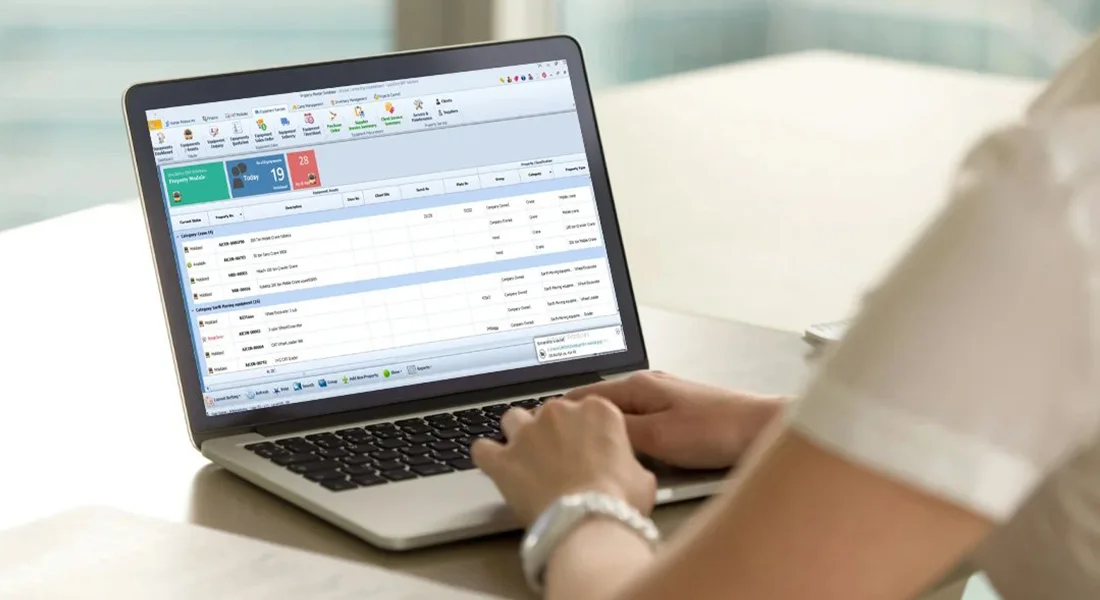
The process of controlling VAT in Saudi Arabia may be complicated, particularly to those companies that transact both taxable and exempt supplies. Quickdice ERP will provide a solution to make these processes easier.
Benefits:
With Quickdice ERP, the business owners will be able to concentrate on growth and not waste time in handling VAT manually.
1. Sort Suppliers appropriately: It is always important to ensure that a supplier is taxable or tax exempt to avoid inaccuracy that is caused by miscalculation in the VAT invoice.
2. Keep the Right Records: Store all the invoices, including VAT and exempt, to be audited by ZATCA.
3. Use Technology: Automate VAT tracking and filing with the help of such tools as Quickdice ERP.
4. Keep abreast of Regulations: ZATCA rules are dynamic; it is important to keep learning to be in line with them.
5. Watch Cash Flow Effects: You should note that dealing with exempt suppliers can raise the expenses because of non-refundable VAT.
It is essential to make a distinction between VAT Taxable and Non-Taxable Suppliers to make sure that Saudi business owners manage VAT appropriately. Whereas VAT-Registered (Taxable) Suppliers are required to charge VAT, are entitled to claim VAT as input VAT Recovery and Refunds, and also issue VAT compliant invoices, VAT-Exempt Suppliers do not charge VAT, and cannot recover VAT as input VAT. These variations impact directly on cash flow, pricing schemes and compliance in the ZATCA regulations.
With the help of such solutions as Quickdice ERP, companies will have an opportunity to make their VAT compliance easy, make their reporting automatic, and remain at the forefront of the future of finance in Saudi Arabia. The appropriate interpretation and control of VAT Taxable vs Exempt Suppliers are not only beneficial in saving businesses the risk of fines but also improving its efficiency and profitability.
Including these insights in your day to day operations makes sure that your company is operating within the law, it is financially sound and prepared to expand in the dynamic Saudi Arabia market.





Comments are closed